



Let us know what instruments you play. This will help us serve more relevant content to you and others who play similar instruments. Thanks!
6-String Electric Guitar
I Play This
6-String Acoustic Guitar
I Play This
4 String Bass
I Play This
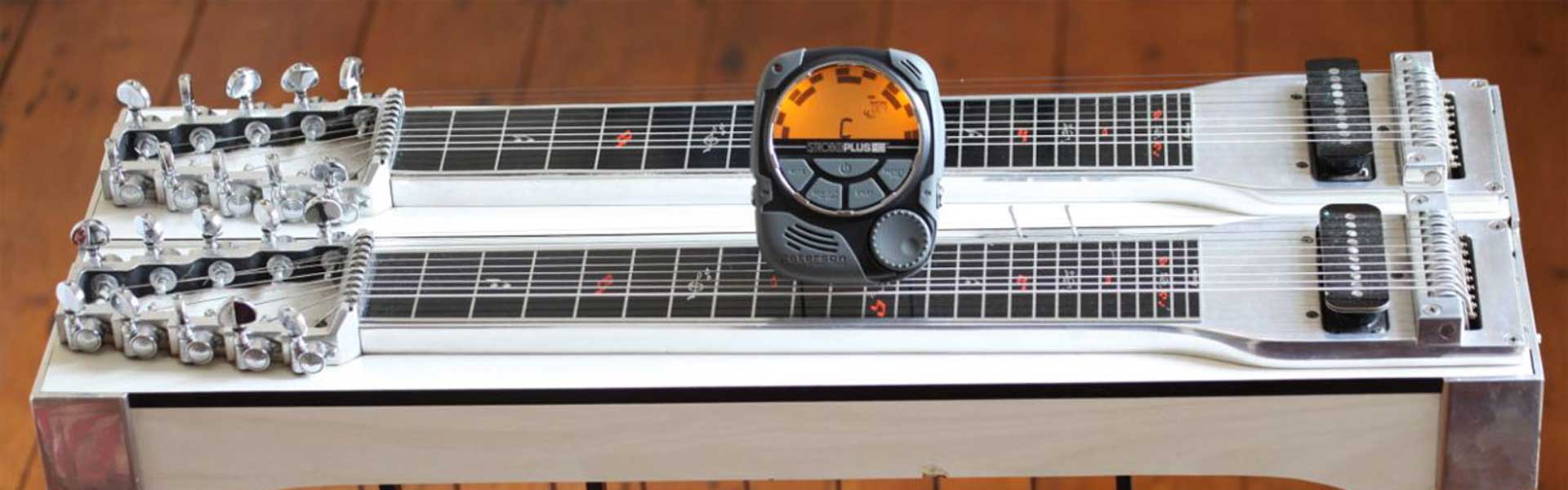
10 String Pedal Steel Guitar
I Play This
5 String Bass
I Play This
See More
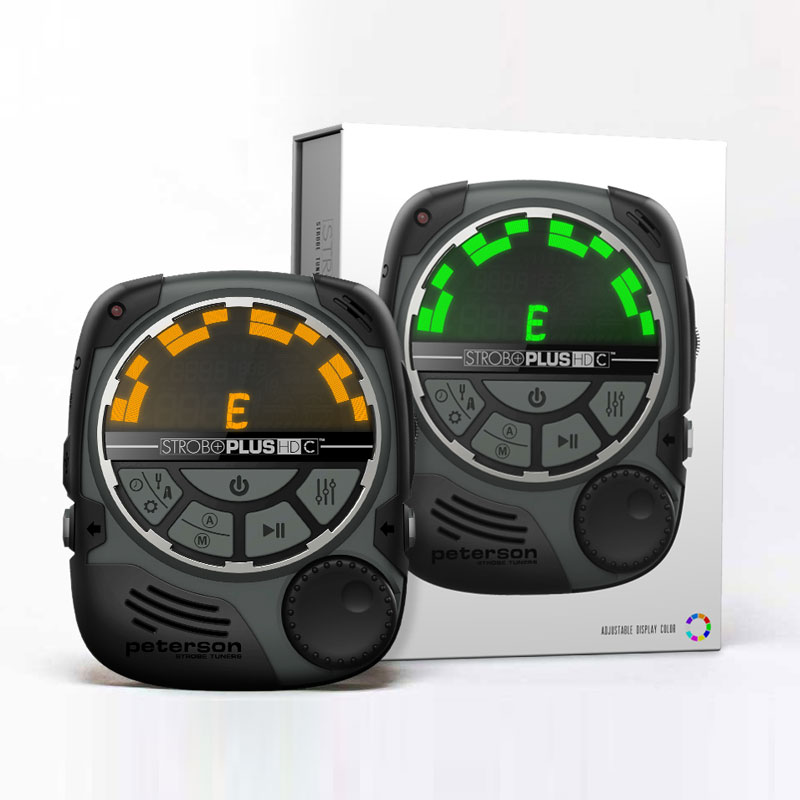
StroboPLUS HDC
$179.99
The StroboPLUS HDC encompasses decades of tuning authority and technology to deliver the ultimate strobe tuner/metronome combo!
The StroboPLUS HDC’s 0.1 cent tuning accuracy will tune any instrument with the utmost precision. Featuring a high-definition, multi-color display with variable color LED backlight, the StroboPLUS HDC display can be seen easily across the stage, bench, studio or classroom. Over 200 exclusive Sweetened Tunings® and Guided Tunings on-board accommodate a variety of instruments, temperaments, and musical genres.
The highly configurable metronome features precise 0.1 BPM adjustability in eighth notes, quarter notes, dotted quarter notes or half notes, a tempo range of 10-280 BPM, over 100 subdivisions, accent patterns, and polyrhythms. The StroboPLUS HDC can also be used to play thousands of bars of tempo maps, programmable from the Peterson Connect Web App. A single tempo map can play an entire score of meter changes, accent patterns, subdivisions, bar colors, silent bars and gradually curved tempo changes like accelerandos and ritardandos. The StroboPLUS HDC is the perfect tuning, ear training and rhythm tool all in one package!
MORE
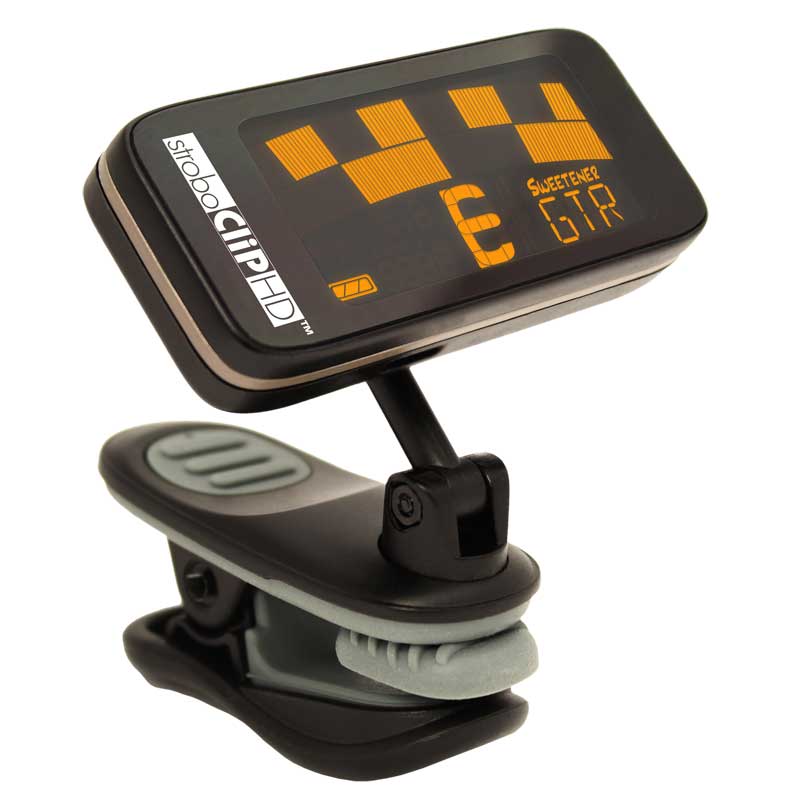
StroboClip HD
$59.99
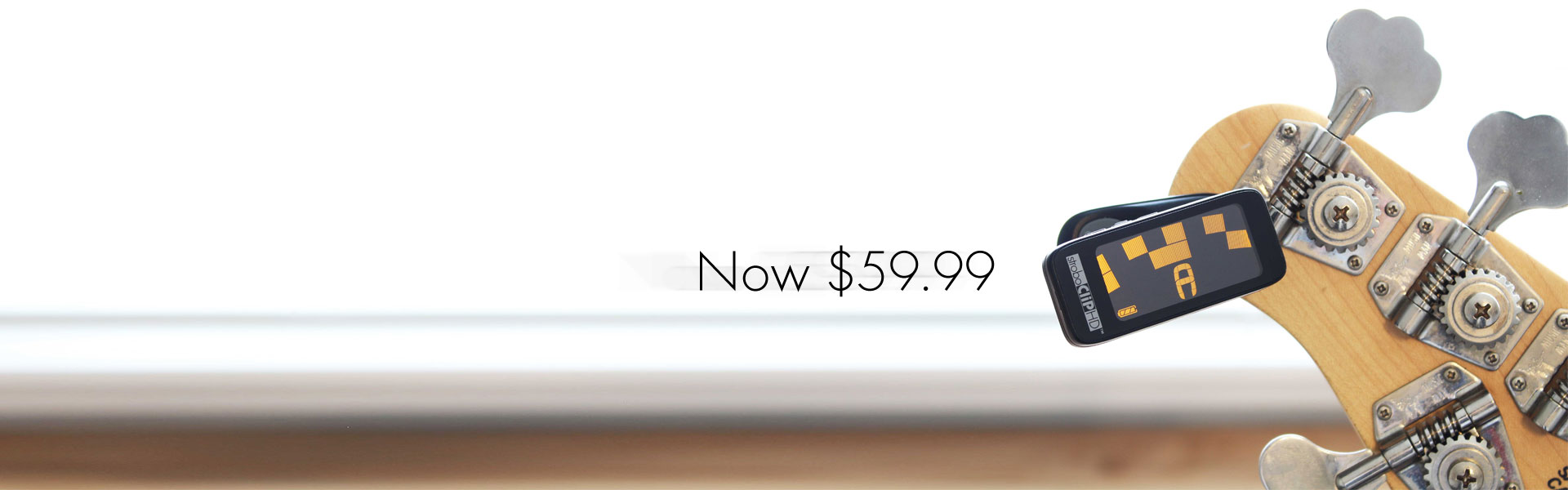
The Peterson StroboClip HD™ (SC-HD) has the same tenth-of-a-cent accuracy as all Peterson Strobe Tuners. This versatile tuner comes complete with a bright high-definition screen, over 50 Sweetened™ tunings, alternate temperaments for a vast array of string and wind instruments, and soft rubber-lined jaws to protect your instrument's finish while offering a firm grip for maximum signal tracking.
MORE
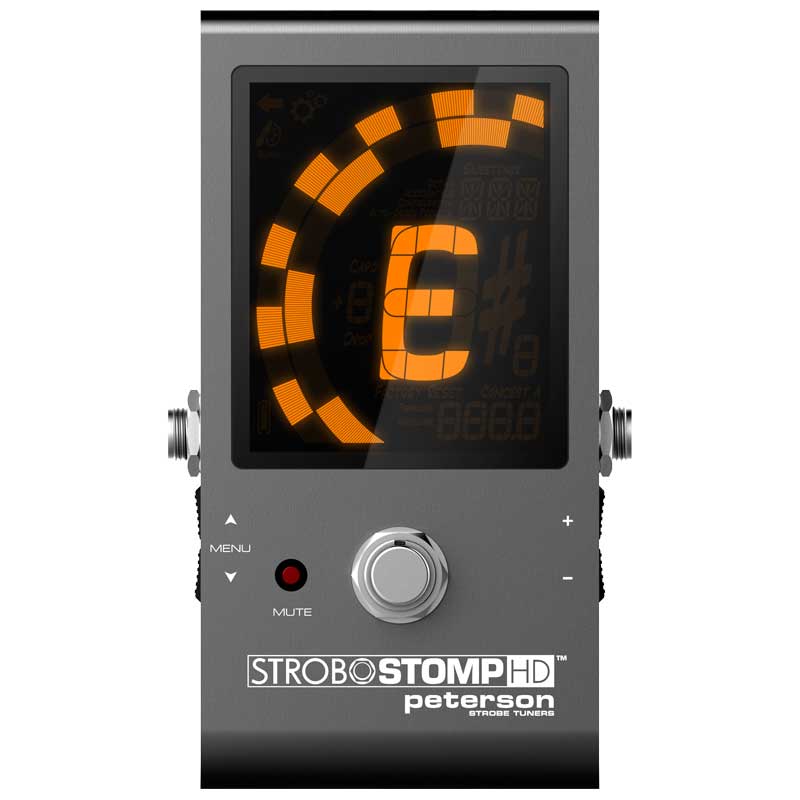
StroboStomp HD
$149.00
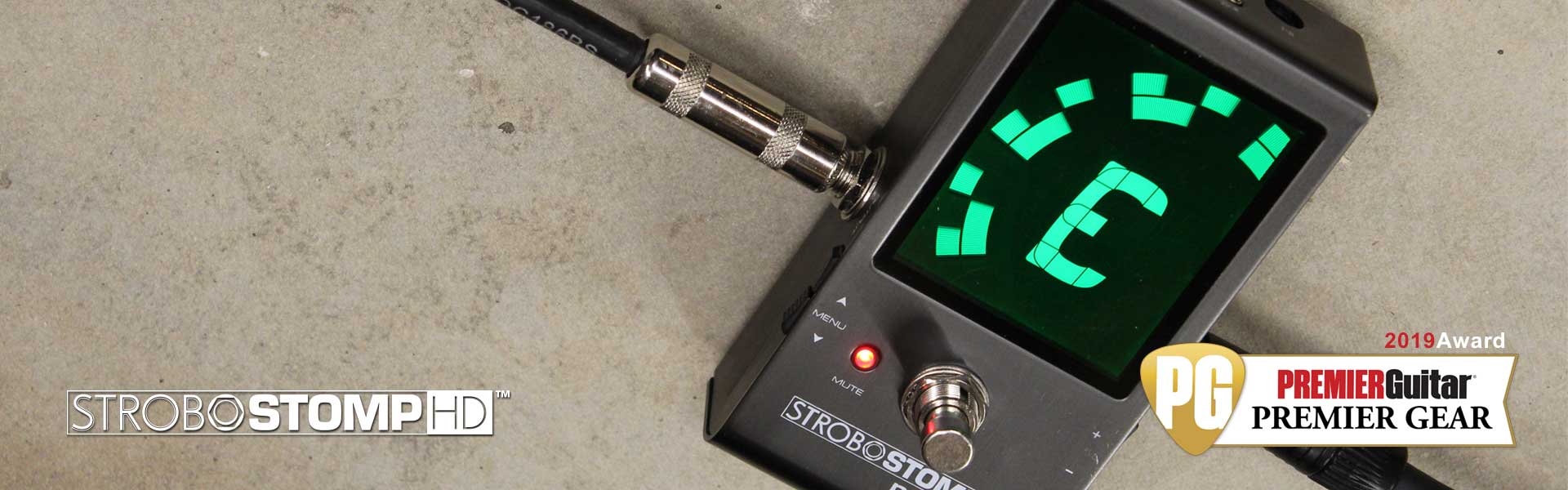
Featuring the largest tuning display Peterson Tuners has ever incorporated into one of their pedal tuners, the StroboStomp HD boasts a high-definition, LCD screen that incorporates a variable color LED backlight. The user-selectable colors can be used to personalize the tuner or to increase display viewing quality in different levels of ambient lighting depending on the usage environment. The vibrant screen colors can also be assigned to stock or user presets to significantly reduce menu navigation time and increase on-stage tuning confidence at the gig.
For tone purists, the StroboStomp HD provides a 100% silent, true-bypass operation mode to keep precious tone safe, as well as, eliminate the often annoying “pop” experienced when engaging such a feature in other products. It uses a unique series of timed relays incorporated within its circuitry to shunt the signal, draining the cause of the popping sound prior to breaking the connection, and effectively shutting the tuner down for direct play through without affecting tone quality.
The StroboStomp HD also includes a long-time, user-requested buffered output operation mode that can be user engaged. The buffered mode can be used in or out of monitor mode. It is designed to boost instrument drive to overcome potential tone loss in signal chains that incorporate multiple low-impedance guitar pedals or those that utilize long cable runs. The buffered output modes preserve sonic quality all through the instrument range and keep prized core tone intact.
The StroboStomp HD features over 100 exclusive Sweetened Tunings™, as well as, numbered guided tuning presets for a large variety of instruments and playing styles. Sweetened Tunings are exclusive to Peterson tuning products and are designed to help correct inherent tuning issues exhibited by many instruments. The new "Guided Tunings" mode allows the StroboStomp HD to display numeric string values instead of traditional note names making for sure-fire intuitive and rapid re-tuning to any number of open and alternative tunings. The Guided Tuning mode was instituted for beginners who want to experiment with popular alternate tunings, as well as, experienced players who employ multiple tunings in rapid succession. Numerically expressed scales are also included.
MORE
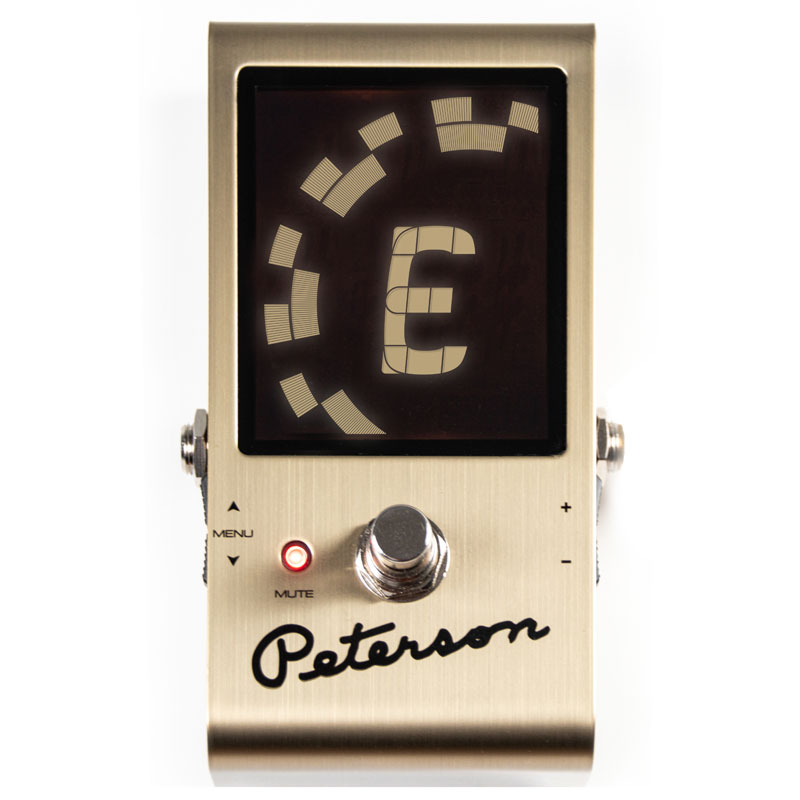
StroboStomp LE
$169.99
Featuring the largest tuning display Peterson Tuners has ever incorporated into one of their pedal tuners, the StroboStomp HD boasts a high-definition, LCD screen that incorporates a variable color LED backlight. The user-selectable colors can be used to personalize the tuner or to increase display viewing quality in different levels of ambient lighting depending on the usage environment. The vibrant screen colors can also be assigned to stock or user presets to significantly reduce menu navigation time and increase on-stage tuning confidence at the gig.
For tone purists, the StroboStomp HD provides a 100% silent, true-bypass operation mode to keep precious tone safe, as well as, eliminate the often annoying “pop” experienced when engaging such a feature in other products. It uses a unique series of timed relays incorporated within its circuitry to shunt the signal, draining the cause of the popping sound prior to breaking the connection, and effectively shutting the tuner down for direct play through without affecting tone quality.
The StroboStomp HD also includes a long-time, user-requested buffered output operation mode that can be user engaged. The buffered mode can be used in or out of monitor mode. It is designed to boost instrument drive to overcome potential tone loss in signal chains that incorporate multiple low-impedance guitar pedals or those that utilize long cable runs. The buffered output modes preserve sonic quality all through the instrument range and keep prized core tone intact.
The StroboStomp HD features over 100 exclusive Sweetened Tunings™, as well as, numbered guided tuning presets for a large variety of instruments and playing styles. Sweetened Tunings are exclusive to Peterson tuning products and are designed to help correct inherent tuning issues exhibited by many instruments. The new "Guided Tunings" mode allows the StroboStomp HD to display numeric string values instead of traditional note names making for sure-fire intuitive and rapid re-tuning to any number of open and alternative tunings. The Guided Tuning mode was instituted for beginners who want to experiment with popular alternate tunings, as well as, experienced players who employ multiple tunings in rapid succession. Numerically expressed scales are also included.
MORE
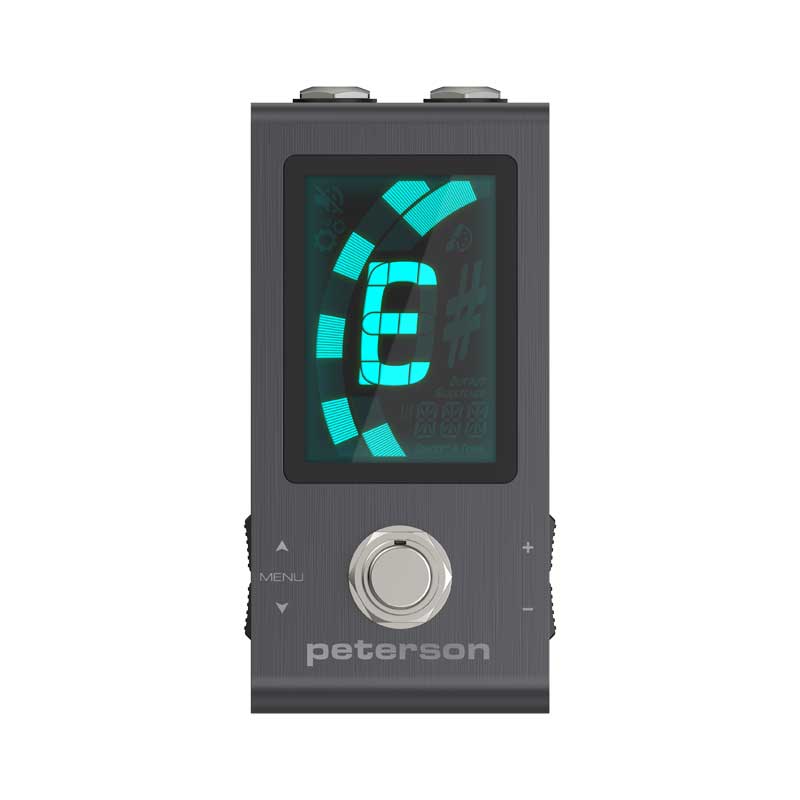
StroboStomp Mini
$119.99
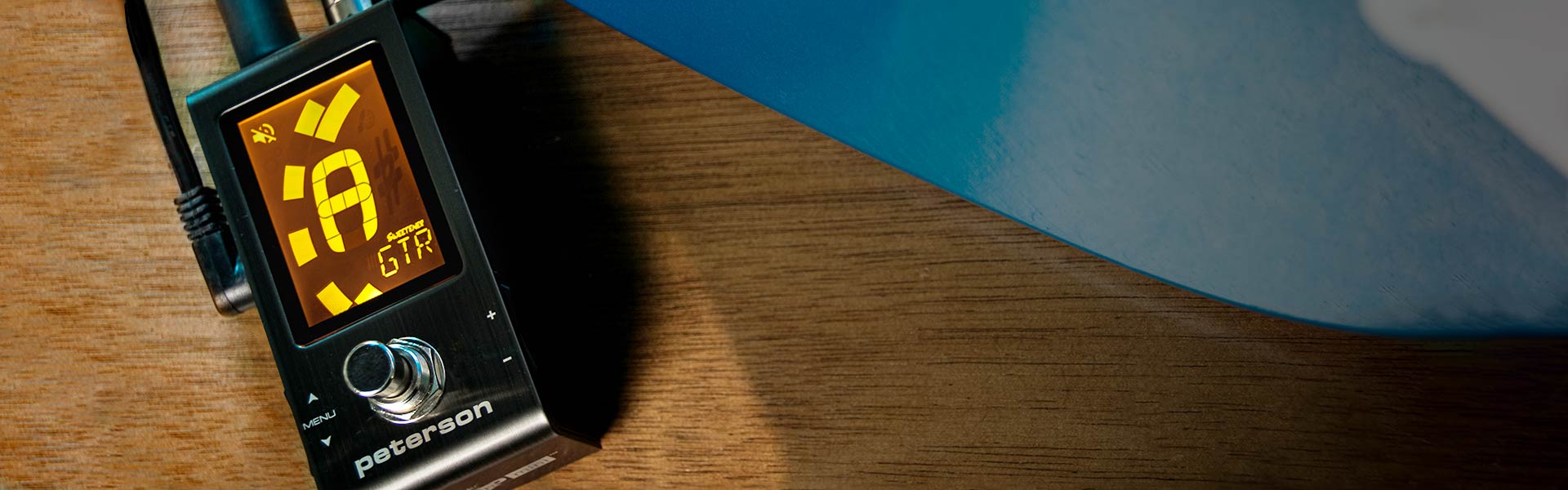
For over 75 years, Peterson has been trusted by some of the biggest names on stage and in the studio as the standard in tuning precision. The StroboStomp Mini™ delivers the unmatched 0.1 cent tuning
accuracy of all authentic Peterson Strobe Tuners in a mini pedal tuner format. Featuring a high-definition LCD strobe display with variable LED color backlight, your instruments will never sound more in tune.
A pop-less true bypass mode and a buffered output mode place you in command of your precious tone without compromise. With over 130
exclusive Sweetened Tunings® and Guided Tunings on-board, you'll be able to dial in your sound and tune like the pros!
MORE
Peterson Tuners - Johnny K
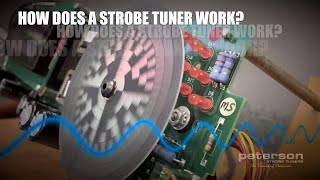
How Does A Strobe Tuner Work?
Peterson Tuners - Sweetened Tunings
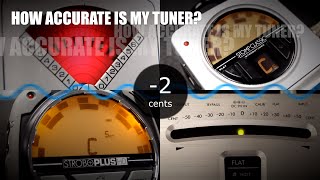
How Accurate Is My Tuner?
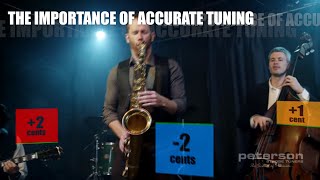
The Importance of Accurate Tuning
